
Help for TMJ Disorders in Apple Valley
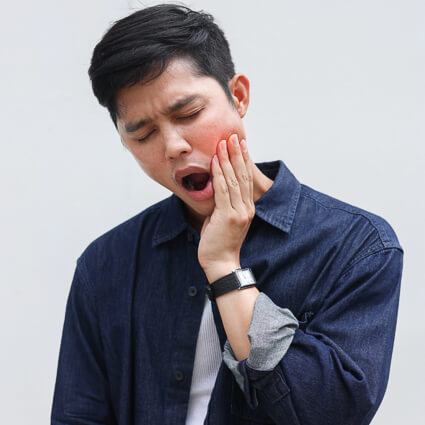 That clicking jaw, the ache near your ear, the tension that creeps up into your temples by midday—TMJ dysfunction is more disruptive than most people expect. If you’ve been managing it with pain relievers or just pushing through, there’s a better approach.
What TMJ Dysfunction Is and How It Develops
The temporomandibular joint connects your lower jaw to your skull and works every time you chew, speak, or yawn. When one or both joints aren’t moving well, or the surrounding muscles are under chronic strain, the result is TMJ dysfunction (also called TMD). It rarely develops from a single injury. More often, it builds gradually through clenching habits, bite imbalance, or postural changes that place extra load on the joint and upper neck.
Common Issues That May Contribute
Several factors tend to stack up over time:
- Teeth clenching or grinding, especially during sleep
- Jaw or facial trauma from an accident or sports injury
- Bite misalignment that forces the jaw to compensate with every chew
- Prolonged stress drives tension in the joint and facial muscles
- Forward head posture shifts the load onto the neck and jaw
- Cervical spine dysfunction that alters how the joint moves
How the Symptoms Impact You
You may hear a click, pop, or feel stiff, particularly in the morning or after eating. Soreness along the side of the face or near the ear is common, and some people notice fullness or ringing in the ear without an obvious cause. Facial tension and headaches tied to muscle overuse may also develop when the condition goes unaddressed.
When to See a Chiropractor for TMJ
If your jaw clicks or locks with regularity, or you’re waking up with soreness and facial tightness, it’s worth getting it examined. Catching it early means a lower chance of compensation building up in surrounding muscles and joints.
How We Can Help
Care starts with a thorough exam of how the joint opens and closes, muscle tension in the face and neck, and cervical spine function, as these areas are closely interrelated. Treatment typically includes gentle cervical adjustments, soft-tissue work targeting the jaw and facial muscles, and guidance on daily habits like jaw posture and sleep position that can help keep the cycle going. Progress tends to show up first as increased mobility and less pain, with facial tension and related discomfort easing as treatment continues.
Frequently Asked Questions
What symptoms should I look out for?
Are the adjustments uncomfortable?
Ready to Stop Managing It?
Joint pain and facial tension don’t have to be part of your daily routine. Contact Lifeway Chiropractic and Wellness to schedule a consultation and get a clear picture of what’s driving your symptoms.
