Disc Herniation Care in Apple Valley
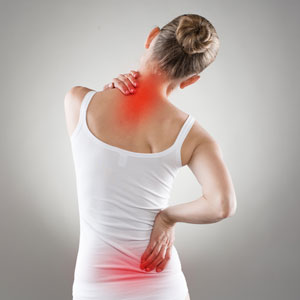 Whether you’re dealing with a herniated disc or the gradual wear of degenerative disc disease, the result is often the same: pain, stiffness, and stepping away from the activities you love. At Lifeway Chiropractic and Wellness, Dr. Pam provides natural, personalized care designed to relieve discomfort, restore movement, and help you get back to living fully.
Herniated Discs: Causes & Symptoms
Also called a slipped, ruptured, or bulging disc, a herniated disc occurs when the outer layer of the disc weakens, allowing the soft inner material to push outward. Think of your disc like a jelly doughnut. The firm outer ring holds the soft center in place. When that outer layer tears, the inner portion can press against nearby nerves, leading to pain, numbness, tingling, or weakness.
Herniations may result from a slip or fall, car accident, sudden trauma, repetitive lifting and twisting, prolonged sitting, poor posture, age-related disc wear, previous injuries, smoking, excess weight, or genetic predisposition. In more severe cases, bowel or bladder changes may occur and require urgent evaluation.
Symptoms often include:
- Low back or neck pain with stiffness
- Radiating pain into the arm or down the leg
- Numbness or tingling in the hands or feet
- Weakness
- Discomfort in the hips or legs
- Pain that worsens with bending, coughing, or extended sitting
Degenerative Disc Disease: Causes & Symptoms
Your spinal discs act as cushions between the vertebrae and create space for nerves to exit the spine. Over time, whether from injury or natural aging, discs may lose hydration and height. When that space narrows, irritation and stiffness can develop.
Although nearly everyone experiences some disc changes with age, not everyone feels pain. When worn discs cause ongoing discomfort, the condition is referred to as degenerative disc disease. It affects a large portion of the population and can present as morning stiffness, deep aching pain, stiffness after activity, or, in more advanced cases, pain radiating into the hips, legs, or feet.
Traditional Approaches to Care
Many people begin with rest, ice, or heat therapy, and over-the-counter pain relief. Physical therapy and home exercises are often recommended next. In more severe cases, injections or surgery may be discussed.
What to Expect
Dr. Pam begins with a thorough history and detailed examination. If necessary, she may refer for advanced imaging, such as an MRI to evaluate suspected herniation, or X-rays to evaluate disc spacing and degeneration.
Once the findings are clear, she walks you through your options and creates a personalized care plan tailored to your specific condition, goals, and comfort level.
I always tell people that if I do not think we are the right place for them, I will refer them where they need to go.Dr. Pam
Our Approach to Disc Care
We focus on natural, targeted care to improve motion, reduce nerve pressure, and support long-term function without invasive procedures.
Chiropractic Adjustments
Dr. Pam uses precise, low-force techniques to improve joint motion and alignment. Restoring proper movement can ease stress on irritated nerves and help calm disc-related symptoms.
Back On Trac for Herniated Discs
This non-surgical decompression system uses calibrated traction tailored to your body. You are seated comfortably while gentle stretching creates space between vertebrae. The equipment offers 21 settings, including lateral flexion adjustments for right-sided disc involvement, helping provide targeted relief. Sessions last approximately 10 minutes.
Chattanooga Triton DTS for cervical and lumbar care
This computer-guided decompression system creates gentle negative pressure within the disc. It may help retract bulging material, improve nutrient exchange, and reduce nerve compression while keeping you comfortable.
Movement Therapy for Degenerative Disc Disease
Healthy discs respond to movement. Care may include guided home exercises and stretching, precise chiropractic adjustments, and decompression-based motion to improve mobility and joint function.
Nutrition and Inflammation Support
Reducing inflammation supports healing. We may recommend nutritional guidance and supplements designed to support joint and disc health.
Moist Heat Therapy
Moist heat penetrates deeply into tissues, increases circulation, delivers nutrients to joints, and assists in clearing waste products, making it especially helpful for degenerative conditions.
Rehabilitation and Education
Long-term results require support beyond in-office visits. We provide customized rehabilitation programs, including core strengthening, mobility training, posture coaching, and activity guidance, to reduce the risk of recurrence.
Self-Care Tips for Daily Relief
Small daily adjustments can make a meaningful difference:
- Keep feet flat on the floor with hips slightly higher than knees while sitting
- Position screens at eye level and consider a small lumbar roll for support
- Take short, frequent walking breaks instead of prolonged sitting
- When lifting, hinge at the hips, brace your core, and keep loads close
- Perform gentle, pain-free chin tucks, pelvic tilts, or single knee to chest stretches
- Stop immediately if symptoms begin radiating
Frequently Asked Questions
Can a herniated disc heal on its own?
Is chiropractic and decompression therapy safe?
When should I seek urgent help?
Get Relief — Schedule Your Appointment Today
Whether you’re managing a herniated disc, degenerative disc disease, or are simply unsure what’s causing your pain, we’re here to help. Contact Lifeway Chiropractic and Wellness today to schedule your consultation and begin your path to natural relief and more confident movement.
